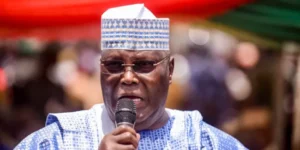
Former Vice-President Atiku Abubakar has criticised the Independent National Electoral Commission (INEC) over the proposed date for the 2027 general elections, urging the electoral body to reconsider its timetable due to a potential clash with the Muslim holy month of Ramadan.
INEC had earlier announced that Nigeria’s presidential and National Assembly elections would hold on February 20, 2027, while governorship and state assembly elections are scheduled for March 6, 2027, in line with the constitutional electoral calendar released in Abuja. Eyes Of Lagos reports,
In a statement shared via his social media platforms, Atiku warned that conducting elections during Ramadan — expected to run from February 7 to March 8, 2027 — could significantly affect voter turnout, particularly among Muslim faithful observing fasting, prayers, and other religious obligations.
According to him, the timing raises concerns about inclusivity and sensitivity to Nigeria’s socio-religious realities.

“Elections demand maximum participation, physical endurance and collective focus,” he said, noting that these requirements may be difficult to meet during a sacred period of fasting and spiritual reflection.
The former presidential candidate also questioned the electoral commission’s judgment in fixing the date, suggesting that difficulties in addressing such a fundamental logistical issue could raise doubts about its ability to deliver credible polls.
The controversy has sparked nationwide debate, with religious leaders, civil society organisations, and political stakeholders expressing concerns that the overlap with Ramadan could reduce civic engagement.
INEC has acknowledged the growing public reactions and stated that it is consulting relevant stakeholders on the matter. The commission also indicated that legislative intervention may be required if adjustments to the timetable become necessary, while ensuring compliance with constitutional and statutory provisions.
Observers say the discussion highlights the broader challenge of balancing constitutional deadlines with Nigeria’s diverse religious and cultural considerations as preparations for the 2027 elections intensify.