Food remains one of the easiest ways to experience different cultures without travelling. In Nigeria, snacks are deeply connected to everyday life — from busy street corners to family celebrations, school breaks, and long road trips.
Interestingly, many beloved Nigerian treats have close relatives in other parts of the world. While the flavours and spices may vary, the similarities show how food traditions often overlap across continents. Eyes Of Lagos reports,
Here are some popular Nigerian snacks and their global counterparts.
1. Puff-Puff & Beignets (France/New Orleans)
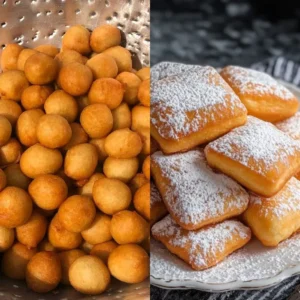
Puff-puff is one of Nigeria’s most recognisable street snacks — deep-fried dough balls that are soft, airy, and slightly sweet. Whether bought from roadside vendors or served at parties, it remains a national favourite.
Its global cousin is the beignet, popular in France and New Orleans. Both are fried dough treats with a fluffy interior, though beignets are typically square-shaped and often dusted with powdered sugar, while puff-puff is round and sometimes paired with pepper sauce.
2. Chin Chin & Churros (Spain/Mexico)
Chin chin is a crunchy fried snack made from sweet dough, commonly enjoyed during holidays and celebrations in Nigeria.
Across Spain and Mexico, churros offer a similar experience. Though shaped like long sticks instead of cubes, both snacks are fried, sweet, and perfect for sharing.
3. Suya & Kebab (Middle East)
Suya — spicy grilled meat coated in peanut-based seasoning — is a nighttime favourite across Nigeria, especially in cities like Lagos.
Its closest global match is kebab, widely consumed throughout the Middle East, including countries such as Turkey and Lebanon. While kebabs often focus on herbs and mild spices, suya stands out for its bold heat and peanut flavour.
4. Akara & Falafel (Middle East)
Akara — deep-fried bean cakes — is a staple Nigerian breakfast food, often eaten with bread or pap.
Falafel, popular across the Middle East, shares the same concept. Both are made from legumes and fried into balls, though falafel tends to include more herbs and spices, while akara keeps a simpler, spicier profile.
5. Boli (Roasted Plantain) & Roasted Bananas (Caribbean/Latin America)
Boli, roasted plantain cooked over open flames, is a common street delicacy in Nigeria.
Similar roasted plantains or bananas are widely enjoyed across the Caribbean and Latin America. Both share smoky sweetness, though Nigerians often elevate boli with pepper sauce and groundnuts.
6. Egg Roll & Scotch Egg (United Kingdom)
The Nigerian egg roll — a boiled egg wrapped in dough and deep-fried — is a filling snack commonly sold at kiosks and bus parks.
Its global counterpart is the Scotch egg from the United Kingdom, where the egg is wrapped in sausage meat and breadcrumbs instead of dough. Despite the difference, both revolve around the same satisfying egg-center concept.
7. Kilishi & Beef Jerky (United States)
Kilishi is thinly sliced, spice-coated dried meat originating from northern Nigeria. It is known for its intense flavour and long shelf life.
In the United States, beef jerky serves a similar purpose as a preserved meat snack. While jerky leans toward salty and smoky flavours, kilishi is richer in spice and heat.
A Shared Culinary Connection
From puff-puff to kilishi, Nigerian snacks reflect culture, memory, and tradition. The existence of similar foods worldwide highlights how culinary ideas travel and evolve across borders.
Next time you enjoy a Nigerian street snack, remember that somewhere else in the world, someone may be eating a familiar version — different name, different seasoning, but the same universal comfort.